
2022 Live & Virtual Fraud Training Seminar - May 09th and May 10, 2022
May 09, 2022 8:00 AM CDT to May 10, 2022 5:00 PM CDT
Add to Calendar
UNO Thompson Center
6705 Dodge Street
Omaha, NE 68182
Venue website
Directions

Video Link to the Art of Elicitation for the Peter Warmka presentation
Attention: This year's conference will be held at the Thompson Alumni Center and will be providing limited seating for Live and Virtual attendance. We will only sell 150 live tickets and 100 Virtual Tickets.
Please take advantage of our member pricing by joining the ACFE Heartland Chapter today before you register! You can join or renew your membership here.
Please register online. You may pay online or mail a check to Heartland ACFE Chapter, PO Box 460726, Papillion, NE 68046. Group registrations can be done online by adding multiple tickets to your order. If you would like to renew your group membership and register that same group for the seminar, please contact [email protected]. If you are paying by check, your check MUST be received by April 15, 2022.
Tickets for 2022 are either live or virtual. We are not offering one-day registrations this year. We will offer the buy 5 get 1 free for the live sessions only, due to the low cost of the event.
Questions? Contact [email protected]
Monday, May 09 - Morning Presentation 8:00 am CST - 12:00 pm CST
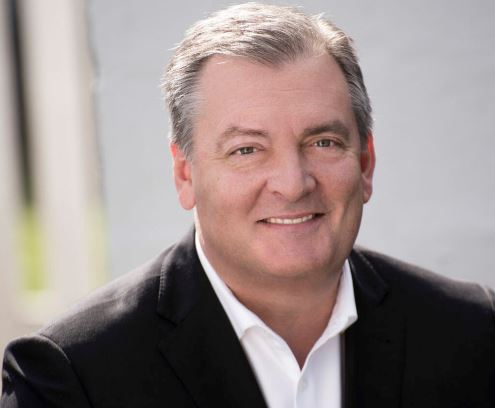
Dr. Toby Groves is a researcher, speaker, and writer on thinking quality and decision making. He is known for engaging audiences in live experiments that help people see counterintuitive solutions to difficult problems and how to make better “high-value” decisions under pressure. He teaches targeted cognitive strategies that help people develop their own personal thinking management system to improve the quality of their thinking.
Toby has a Ph.D. in psychology, an M.S. in Industrial-Organizational Psychology, and is trained in a unique combination of forensic psychology and forensic accounting. His research focuses on the expert judgment in complex, high-pressure environments. A popular speaker amongst leading organizations in the industry, government, and academia, Toby works with experts that provide society's most critical services including the audit, intelligence, investigative, legal, and medical communities.
Dr. Toby Groves
Toby L Groves, LLC
Program Description: Metathinking
An essential class for those who routinely face complex, high-value decisions in high-stress environments including CEO's and CFO's, first-responders and surgical teams, policymakers, auditors, or investigators. This class takes you beyond critical thinking and teaches you how to use your cognitive strengths to develop a thinking system - powerful cognitive tools that enable better thinking under pressure, deep-structure insights for powerful problem-solving abilities, and highly effective communication when it really counts, all while building ongoing mental wellness for clarity and avoiding burnout. Learn how to audit your thinking, synthesize your ideas, and achieve clarity under pressure. The tools you learn will benefit all areas of your life. You will be a more flexible, adaptable, creative, resilient, and confident thinker.
Major Subjects:
- How to develop a thinking system
- Understanding complex problem structures
- Conducting a thinking audit
- Skeptical reasoning
- Systems thinking
- Understanding memories
Learning Objectives:
- Apply Thinking Approaches to improve emotional reactivity
- Use "First Principles Thinking" methods
- Identify three decision-making biases that diminish thinking qualities
Recommended CPE Credits: 4 hours (200 Minutes)
Recommended Field of Study: Specialized Knowledge - 4 CPE
Prerequisites: Two years of business experience or higher education
Advanced Preparation: Not required
Program Level: Intermediate
Who Should Attend:
Analysts and investigators, auditors, accountants, attorneys, law enforcement, governance, and compliance professionals, or those working in the IT, HR, legal, or medical profession as well as executives, policymakers and other decision makers interested in improving critical thinking and problem-solving skills.
Monday, May 09 - Afternoon Presentation 1:00 pm CST - 5:00 pm CST

Peter Warmka is a former intelligence officer with the CIA who specialized in breaching the security of target organizations overseas through the artful manipulation of insiders. He now uses these human hacking skills developed throughout his career to teaching people how to avoid becoming the next unfortunate target, whether it is you personally or your business.
Mr. Warmka is the Founder of Counterintelligence Institute, LLC, an organization whose mission is to assist corporations, government offices, academic institutions, and non-profit organizations in the protection of their proprietary information and personal data records against security breaches attempts. He is the author of the recently released non-fiction bestseller, Confessions of a CIA Spy – The Art of Human Hacking.
Mr. Warmka received a Bachelor’s Degree in Liberal Arts from the University of Wisconsin-Milwaukee and a Master’s Degree in International Business Management from Thunderbird School of Global Management. Mr. Warmka is a Certified Fraud Examiner (CFE), a Certified Protection Professional (CPP), and a Certified Instructor at CIA University (CIAU).
Peter Warmka
Counterintelligence Institute
Program Description:
Human Hacking - Identifying Threats and Best Practices Outline
Founded by former CIA senior intelligence officer Peter Warmka, the Counterintelligence Institute’s mission is to assist your corporations, government offices, academic institutions, and non-profit organizations in protecting your sensitive information and personal data records against security breach attempts. Our onsite training services focus on transforming the human factor from being the weakest link in security to becoming the most effective defensive tool against security threats against your company and personal life.
Recommended CPE Credits: 4 hours (200 Minutes)
Recommended Field of Study: Technology/Cybersecurity - 4 CPE
Prerequisites: Two years of business experience or higher education
Advanced Preparation: Knowledge and understanding of Social Engineering
Program Level: Intermediate
Learning Objectives:
- Identify the key threat actors and their objectives in breaching the security of a target organization
- Recognize what information publicly disseminated by the organization or its employees can significantly increase vulnerability to attacks
- Appreciate how personal information revealed on social media platforms can be used to assess motivations and vulnerabilities leveraged by social engineers in target manipulation
- Identify and describe four communication channels that can effectively be utilized by human hackers in advanced social engineering approaches learned best practices mitigating the threats of human hacking at the personal and organizational level
Who Should Attend:
Analysts and investigators, auditors, accountants, attorneys, law enforcement, governance, and compliance professionals, or those working in the IT, HR, legal, or medical profession as well as executives, policymakers, and other decision-makers interested in improving critical thinking and problem-solving skills.
Tuesday, May 10 - Morning Presentation 8:00 am CST - 12:00 pm CST
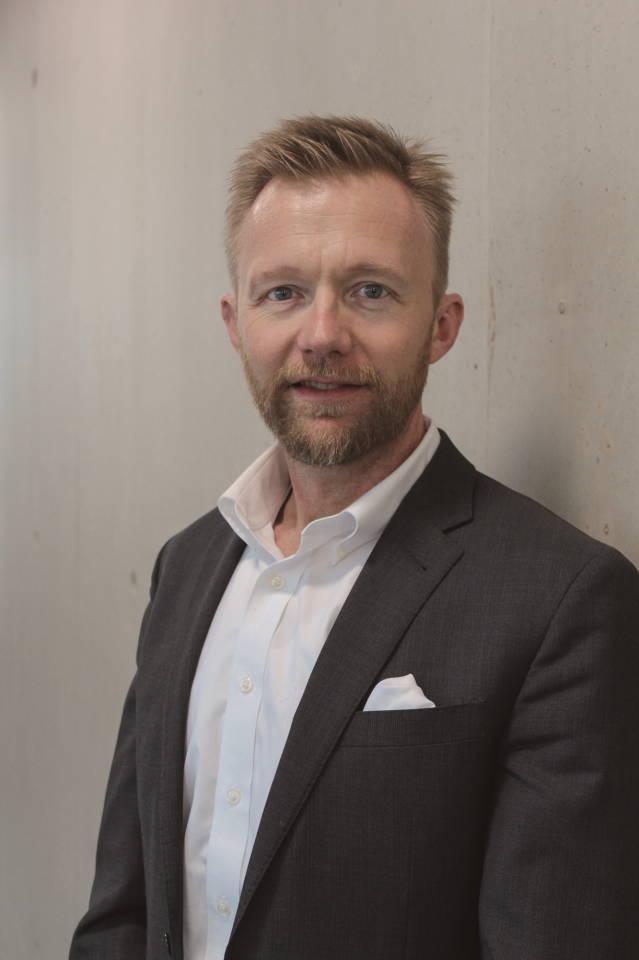
Dr. Skiba ("Dr. Fraud") worked in the insurance fraud industry (Allstate and Interboro) for 22 years before becoming an international consultant. He is currently consulting full time with INFORM, an international fraud solutions company as Vice President of International Counter Fraud Strategies where he oversees international fraud projects. He has also been a professor for 12 years and is currently Department Chair of Criminal Justice at Colorado State University Global. He is an international speaker and regular publisher on insurance fraud and holds an MBA and a Ph.D. with a concentration on economic crime. He is also an instructor for the U.S. ATF and manages the website www.drfraud.org, where he blogs about fraud-related topics and has an active “Ask Dr. Fraud” YouTube channel. He is an author and recently published a groundbreaking book entitled “The Psychology of Fraud”.
Dr. Michael Skiba
Dr. Fraud, LLC
Program Description: How to Hack a Human. Why are all Humans Vulnerable? (10:00 am CST - 12:00 pm CST)
Did you ever wonder why 50% of people that find a random USB stick will insert it into their computers? The research indicates that 98% of all cyberattacks occur as a result of social engineering tactics. This implies that humans (employees) are the weakest link in an organization's system, which leaves the door open to cybercriminals. In this session, attendees will learn the psychological tricks and tactics that criminals use to manipulate us into gaining access to internal systems. Understanding these persuasive tactics will help organizations develop stronger, more focused cyber strategies. In this informative session, Dr. Fraud will explore all of these significant topics and engulf the audience in how to hack a human. He will even try to hack you!
Learning Objectives:
- Understand why humans are the weak link in cyberattacks and how social engineering tactics are at the core of most breaches.
- Comprehend the different psychological/persuasive approaches that cybercriminals use to trick humans.
- Develop an understanding of key strategies to reduce one's vulnerability to threats.
Recommended CPE Credits: 2 hours (200 Minutes)
Recommended Field of Study: Communications - 2 CPE
Prerequisites: None
Advanced Preparation: Not required
Program Level: Beginners
Program Description: Ethics (8:00 am CST - 10:00 am CST)
We are faced with ethical challenges each day on a personal and corporate level. This class will explore ethics and focuses on ethical thoughts, morals, laws, core values, and the application to ethical reasoning. The class will also explore the difference between personal and professional ethics, how to develop a code of conduct, and strategies for ethical success
- Learning Objectives: Understand the foundational elements of ethics, morals, and core values.
- Comprehend the differences between personal and professional ethics and how they interact and can conflict with one another.
- Develop strong strategies for success in making ethical decisions and furthermore, how to develop an ethical culture within an organization.
Recommended CPE Credits: 2 hours (200 Minutes)
Recommended Field of Study: Behavioral Ethics- 2 CPE
Prerequisites: None
Advanced Preparation: Not required
Program Level: Beginners
Tuesday, May 10 - Afternoon Presentation 1:00 pm CST - 5:00 pm CST
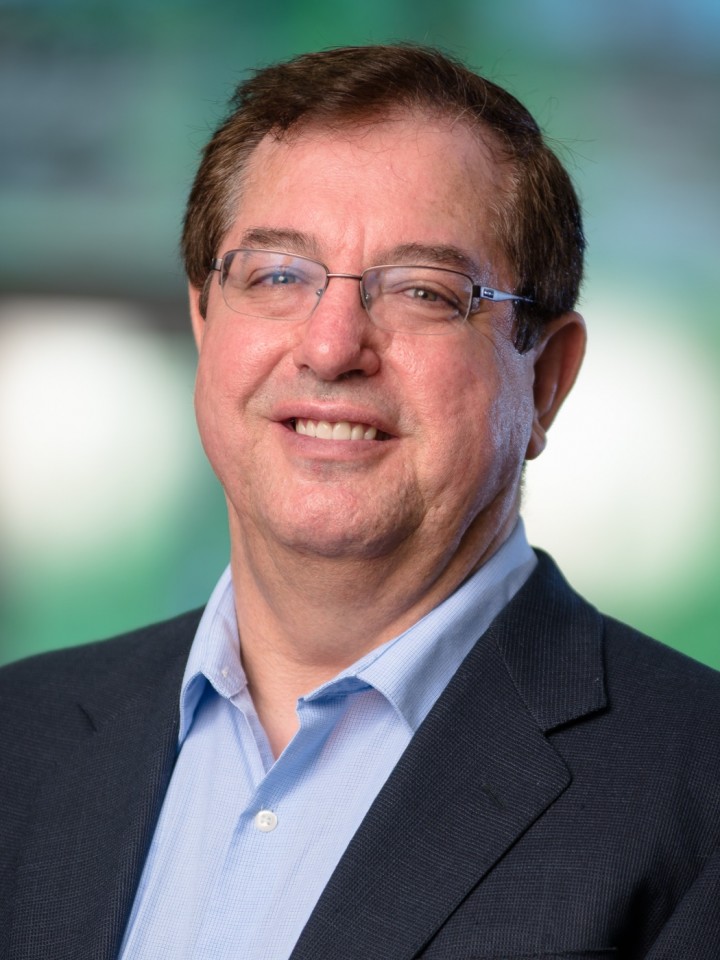
Mark J. Nigrini, Ph.D. is an associate professor at the College of Business and Economics at West Virginia University. He is the recipient of the 2020 Outstanding Accounting Educator award of the West Virginia Society of CPAs. His research passion is Benford’s Law which gives us the expected patterns of the digits in tabulated data.
Mark has published papers on forensic analytics in academic journals and professional publications. These journals include the highly regarded Journal of Accounting, Auditing, and Finance and Auditing: A Journal of Practice and Theory. He published the lead article on the tendency of fraudsters to use round numbers in the first issue of the Journal of Forensic Accounting Research. In 2014 Mark published an article in the Journal of Accountancy that was co-authored with Nathan Mueller who at the time was incarcerated in federal prison. Their article subsequently won the Lawler Award for the best article in the Journal of Accountancy in 2014. A recent article published in Managerial Auditing Journal described the fingerprints of the dollar amounts used in occupational fraud schemes. His current research covers advanced theoretical work on Benford’s Law and the use of analytics in auditing and forensic accounting.
His work has been featured in The Financial Times, New York Times, and The Wall Street Journal. His radio and television interviews have included the BBC in London, NPR in the United States, and an interview for the Evil Twins series for the Investigation Discovery Channel. He regularly presents workshops for accountants and auditors in the U.S and abroad with recent presentations in Panama, Bahrain, and Italy.
In his spare time, he enjoys overseas travel, playing darts, listening to music, watching British television series, and walking 10,000 steps per day. His favorite food is Indian curry.
Mark Nigrini
Program Description: The Fingerprints of Fraud Numbers Including Benford's Law
This presentation will be an informative, interesting, and entertaining look at the fingerprints of fraud numbers. These fingerprints give auditors and forensic accountants some tangible regularities that can be used in rules-based, proactive fraud detection tests. A review of fraud case documents and published articles show that these fingerprints are linked to amounts that (a) are round, (b) exhibit a high period-over-period growth, (c) are just above or below a threshold, (d) cause deviations from Benford’s Law, (e) are supposed duplicates of authentic transactions, (f) are outliers because they are excessively large or small, and (g) are numbers that have been purposefully rounded up or down. The Benford’s Law discussion will be interesting and will include insights from Nigrini’s forthcoming Journal of Accountancy article. This presentation will review the types of fraud numbers using recent, informative, and interesting examples. For example, audiences have been amazed at the unbelievably high petty cash amounts in Michelle Higson’s fraud schemes (plural!).
- Recognize that fraud numbers are mixed together with valid and authentic numbers
- Understand that fraudsters have a fraud numbers fingerprint that often has an unnatural pattern
- Select the use of appropriate audit analytics to identify occupational fraud and bribes, or to confirm the behavioral responses that are a result of some or other incentives.
Recommended CPE Credits: 4 hours (200 Minutes)
Recommended Field of Study: Forensic- 4 CPE
Prerequisites: None
Advanced Preparation: Not required
Program Level: Intermediate
 Heartland ACFE Chapter is registered with the National Association of State Boards of Accountancy (NASBA) as a sponsor of continuing professional education on the National Registry of CPE Sponsors. State boards of accountancy have final authority on the acceptance of individual courses for CPE credit. Complaints regarding registered sponsors may be submitted to the National Registry of CPE Sponsors through its website: www.nasbaregistry.org.
Hotel Information
Residence Inn Omaha
Aksarben Village
1717 S. 67th St.
Omaha, NE 68106
Book by April 10 to get the ACFE-Heartland Chapter Annual Seminar group rate of $129.00 per night.
Book your group rate for ACFE Heartland Chapter online by clicking here or calling (402) 551-8000.
I understand seating is not guaranteed until payment is received in full. I also understand that in order to receive a refund, I must cancel by no later than April 29, 2022. For more information regarding administrative policies for complaints or refunds, please click here or contact us at: [email protected].
*Of equal or lesser value.
Tickets
$340.00 Live/In Person Non-Member Ticket
$230.00 Live/In Person Member Ticket
